Professional Residential Electrician for Safe and Efficient Solutions
A licensed residential electrician fulfills a vital role in upholding the safety and efficiency of power networks in dwellings. These professionals are certified to execute installations, repairs, and upgrades, ensuring compliance with building codes and regional requirements. Frequent problems, such as unstable illumination or broken connections, typically demand expert intervention. Recognizing the scope of their work poses vital concerns about protection, stability, and future condition of a house's electrical setup. What should residents evaluate before engaging?
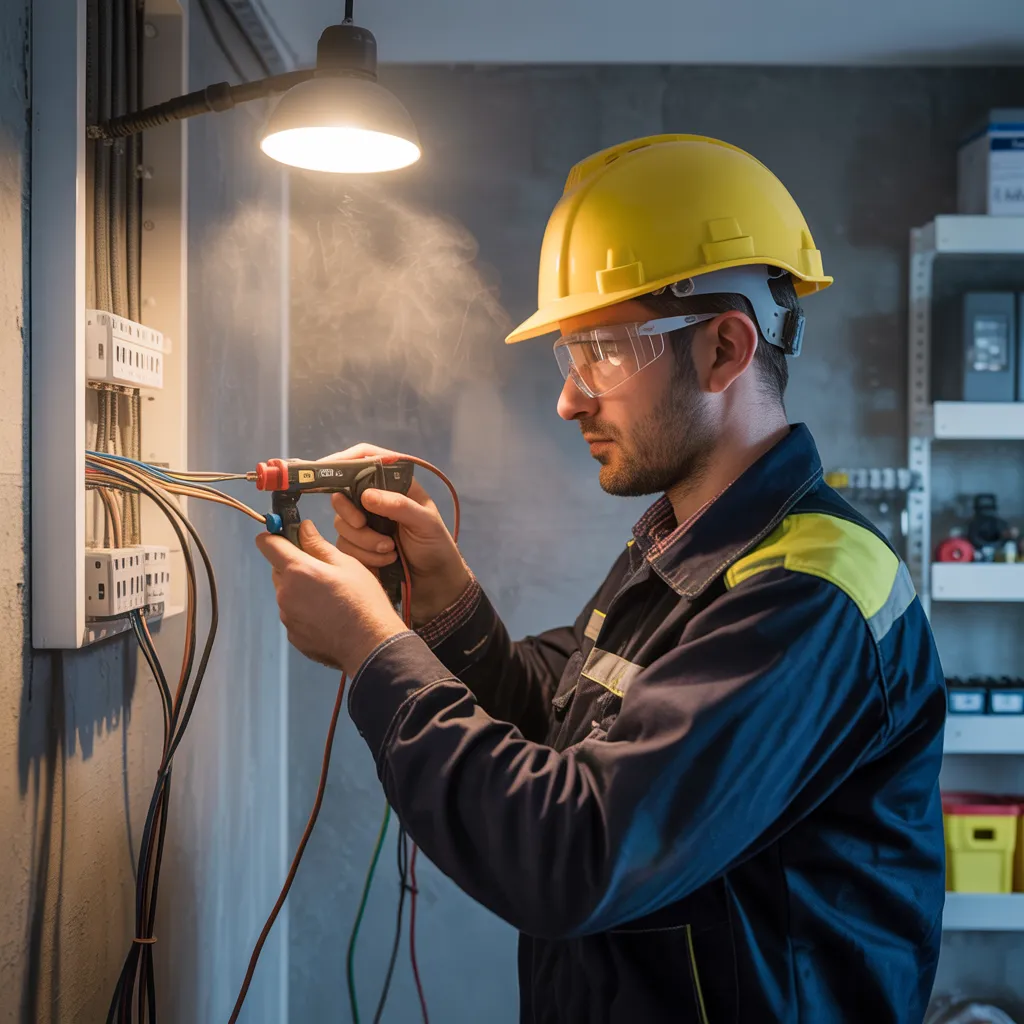
What Does a Residential Electrical Technician Actually Do?
A residential electrician concentrates on the installation, maintenance, and repair of electrical systems within homes. Their key duties include wiring, circuit installation, and the setup of lighting fixtures. They also troubleshoot electrical issues, guaranteeing that systems function efficiently and safely.
Alongside these tasks, residential electricians undertake routine inspections to detect potential hazards and confirm compliance with relevant codes. They regularly refurbish existing systems to facilitate new appliances or technology, thereby strengthening a home's capabilities.
Furthermore, they provide important consultation services, guiding homeowners on energy-efficient solutions and creative electrical layouts. A residential electrician also works together with other contractors during renovations or new constructions, ensuring that electrical work blends smoothly with other elements of the project. By leveraging specialized tools and following industry standards, they play an essential role in preserving a secure and dependable electrical environment in residential settings.
Safety Guidelines in Electrical Work: Important Information for Homeowners
How can homeowners ensure their electrical systems stay secure and compliant? Comprehending safety requirements is essential. Electrical codes, such as the National Electrical Code (NEC), serve as a framework for safe setups and procedures. Homeowners should ascertain their installations meet these requirements to minimize dangers of electrical fires and electrical shock.
Regular assessments by a licensed electrician can help spot potential dangers. Electricians are trained to follow local regulations and implement safety measures. Homeowners should also be conscious of proper power limits to prevent overload, which can lead to overheating.
Additionally, using approved supplies and components is vital for upholding safety. Homeowners must focus on the setup of GFCI outlets in wet areas and confirm smoke detectors are working. By keeping informed and proactive about electrical safety standards, homeowners can significantly reduce risks and provide a safe living environment.
Standard Electrical Concerns and How Professionals Manage Them
Homeowners frequently deal with various wiring issues that can threaten safe operation and performance. Typical issues consist of flickering lights, breakers that trip, and outlets that fail to work. These issues can be caused by outdated wiring, overloaded circuits, or defective devices.
Electrical surges are another frequent concern that can damage gadgets and equipment. GFCIs (Ground fault circuit interrupters) may also fail, producing dangers in moist spaces like kitchens and bathrooms.
Professionals diagnose these issues by conducting thorough inspections, checking wiring integrity, and evaluating the demand on circuits. They employ advanced equipment to detect hidden problems and ensure compliance with safety regulations.
How to Tackle Typical Electrical Problems With Expert Guidance
Common electrical problems often demand the knowledge of a skilled electrician. Flickering lights, frequent circuit breaker tripping, and malfunctioning outlets are common problems that can signal underlying electrical faults. Engaging a certified electrician guarantees these issues are diagnosed accurately and resolved safely.
Flickering Lights Solutions delivering trusted fixes
Flickering illumination can disturb the comfort of any home, signaling potential electrical faults that need immediate attention. This regular problem often points to loose connections, faulty switches, or inadequate wattage. Homeowners should first check if the flickering happens with specific bulbs or throughout the entire house. If it is isolated, changing out the bulb may solve the issue. However, persistent flickering warrants consultation with a professional residential electrician, who can accurately diagnose and address underlying problems. A qualified electrician will inspect wiring, analyze circuit loads, and guarantee all connections are secure. Addressing flickering lights promptly not only recovers peace but also enhances safety, preventing serious hazards like electrical fires. Professional intervention provides peace of mind and long-term solutions.
Circuit Breaker Activation Factors
Recurring circuit breaker tripping can suggest hidden electrical issues that may pose hazards. Typical reasons include overloaded circuits, where too many devices draw power from a single source, causing overheating and activation. Additionally, short circuits can occur when wires become damaged or frayed, creating a direct path for electricity that skips normal resistance. Grounding faults, which happen when a live wire touches a grounded surface, are also concerning. Finally, aging circuit breakers may fail to function properly due to deterioration. Recognizing these issues is critical; engaging a qualified home electrical specialist to diagnose and resolve these problems ensures safety and efficiency in the home's electrical system.
Outlet Complication Troubleshooting
Recognizing the potential challenges linked with circuit breakers naturally emphasizes the importance to troubleshoot outlet malfunctions. Outlet difficulties can present as flickering lights, non-functioning devices, or unusual sounds emanating from the outlet itself. These symptoms frequently suggest underlying electrical issues that call for professional important resource evaluation. A qualified electrician will start by examining the circuit for overloads, loose connections, or damaged wiring. They might also check for proper grounding and voltage levels to confirm safety. Promptly addressing these malfunctions is crucial, as ignoring them can result in more serious hazards, including electrical fires. By depending on a professional, homeowners can ensure their electrical systems function efficiently and safely, safeguarding both their property and peace of mind.
Why Choose an Specialist for Electrical Enhancements?
Upgrading electrical systems can greatly enhance a home's security and efficiency, making expert assistance essential. Homeowners often underestimate the intricacies of electrical upgrades, which can create costly mistakes or hazardous situations. Professional electricians maintain the required skills and background to navigate local codes and regulations, ensuring that upgrades are compliant and safe.
Additionally, professionals can assess a home's particular power requirements, recommending customized approaches that optimize performance and energy efficiency. They are equipped with the proper equipment and expertise to manage possible issues, such as aging electrical lines or insufficient load capacity. This knowledge not only minimizes risks but also enhances the durability and dependability of the power infrastructure.
In the end, engaging a skilled electrical professional for upgrades not only safeguards a home but also provides confidence, understanding that the work is properly and effectively completed, thereby maximizing the expenditure in the property.
Getting Ready for Your Electrical Inspection?
During an electrical inspection, property owners should anticipate a comprehensive assessment founded upon a common checklist that emphasizes key components of their system. Inspectors will assess adherence to safety standards to guarantee the power configuration is both efficient and secure. Understanding these expectations helps homeowners get ready for a productive inspection appointment.
Typical Evaluation Checklist Items
A comprehensive electrical inspection usually encompasses a number of key inspection criteria that assure safety and compliance with requirements. Inspectors commonly begin by examining the electrical panel for adequate grounding and secure attachments. They check wiring for any evidence of wear, damage, or faulty placement. Safety switches and protective devices are evaluated to ensure they are functioning correctly and sufficiently designed for the current load. Additionally, outlets and switches are examined to validate they are properly grounded and lacking defects. Fire alarms and CO monitors are also checked for correct function. Ultimately, the inspector evaluates any changes or expansions to the electrical system to ascertain they comply to building codes and guidelines, ensuring the complete protection of the home's electrical network.
Safety Standards Compliance Overview
After completing a detailed inspection checklist, understanding safety standards compliance is essential for homeowners. Compliance with electrical safety standards guarantees that installations meet both federal and regional codes, reducing dangers from electrical hazards. Property owners can expect the electrician to check correct grounding, circuit integrity, and the use of approved materials. Moreover, adherence to the National Electrical Code (NEC) is critical, as it outlines the basic safety standards for electrical systems. Throughout the inspection process, electrical professionals will evaluate the functionality of smoke detectors and carbon monoxide alarms, confirming they function properly. By prioritizing safety requirements, homeowners not only safeguard their property but also safeguard the well-being of their loved ones. Ultimately, compliance fosters trust in electrical services and encourages long-term safety.
Ways to Choose the Correct Electrician for Your Home
Picking the appropriate electrician for a dwelling can prove challenging—what aspects should one take into account? First, confirming qualifications is fundamental. A licensed electrician proves that they have met the essential education and standards. Homeowners should also assess insurance coverage, as this defends against potential liabilities during the assignment.
Experience serves as another crucial requirement; practitioners with a solid track record are often more effective at dealing with various issues. Examining reviews and receiving referrals can give information into their consistency and excellence of work.
In addition, procuring multiple quotes aids homeowners evaluate expenses and service options, guaranteeing they attain a equitable arrangement. Dialogue abilities are of equal importance; an electrician must be capable of relay concerns and resolutions distinctly.
Finally, assessing their knowledge with local regulations and codes can avoid future complications. By carefully considering these elements, homeowners can reach a well-reasoned choice, in the end ensuring safety and efficiency in their electrical projects.
Often Requested Queries
How Much Will You Spend to Retain a Residential Electrician?
A residential electrician's hourly rate generally varies from $50 to $100 per hour, determined by your region and the difficulty involved in the work. Additional costs might be charged for supplies and emergency work, impacting your final price.
What duration Should You anticipate for an Electrical Project?
An electrical assignment generally takes a few hours to several days, depending on its scope and complexity. Elementary repairs may require little time, while larger installations or renovations can substantially prolong the duration.
What Qualities Should I Consider in an Electrical Contractor?
When seeking an electrical professional, one should focus on skills such as proper licensing, insurance, relevant experience, and good client testimonials. Additionally, credentials in specialized areas can boost their standing and assure excellent work.
Can You Access Urgent Electrical Services?
Emergency electrical services are certainly available. Many electricians provide 24/7 aid for critical issues, providing rapid response and remedies to reestablish safety and performance. Homeowners should confirm accessibility and response times before emergencies develop.
Am I Permitted to Perform Electrical Projects on My Own According to Law?
In many jurisdictions, residents may legally perform electrical work on their own properties, but regulations are inconsistent. It's fundamental to consult local codes and safety standards to maintain compliance and reduce potential hazards or fines.